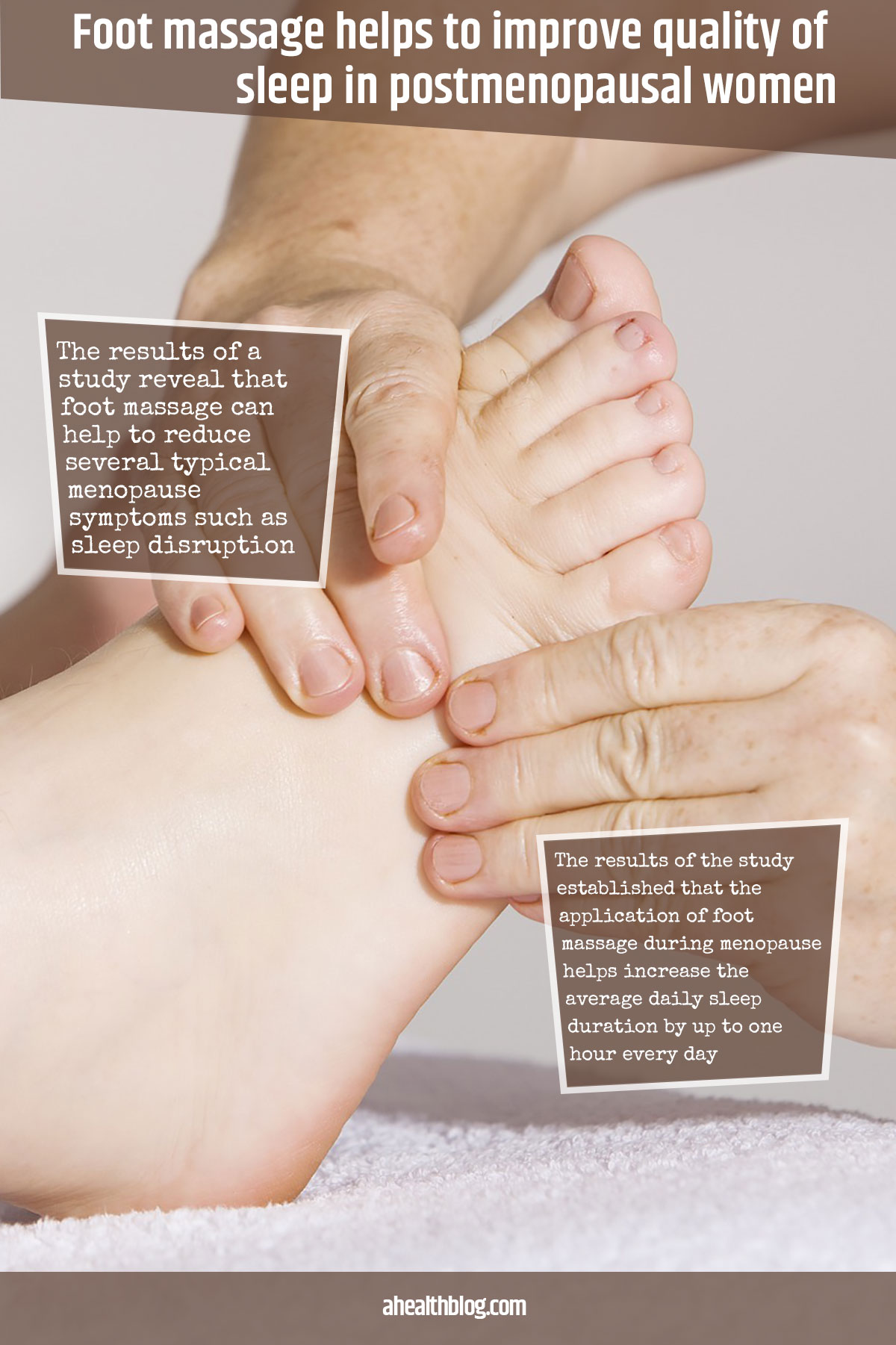
The results of a study reveal that foot massage can help to reduce several typical menopause symptoms such as sleep disruption, effectively increasing the duration of sleep by an average of one hour daily.1✅ JOURNAL REFERENCE
DOI: 10.1097/GME.0000000000002062
Estrogen deficiency can result in several mental and physical health issues throughout the menopause transition such as anxiety, headaches, vaginal dryness, hot flashes, and insomnia. Even though moodiness and hot flashes typically experienced in the menopause transition usually improve, issues such as vaginal dryness and sleep issues are likely to persist or gradually worsen.
Fatigue typically happens due to impaired sleep quality and hot flashes. Fatigue usually ranks among the top 3 menopause issues and is prevalent in over 30% of women over the age of 45 years. Even though hormone therapy is accepted as an effective option for treating many menopausal symptoms, not all women are able or prepared to use it. There’s a consequential need to find other solutions, such as alternative and complementary therapies, to help relieve the various mental and physical health issues that often come with the menopause transition.
A specific kind of massage therapy known as reflexology has been found to help in improving relaxation. Foot massage has especially been shown to help with relaxation, reduce stress and restore the balance of the body by stimulating the legs’ nerve cells. Prior research has indicated that foot reflexology is an effective treatment for reducing fatigue and stress in premenopausal women. No prior research was however found that examined the effects of foot massage in postmenopausal women on sleep, fatigue, and anxiety at the same time.
This current small-scale study wanted to specifically assess the effects of foot massage on sleep, fatigue, and anxiety in postmenopausal women. The results of the study established that the application of foot massage during menopause helps increase the average daily sleep duration by up to one hour every day, and helps reduce levels of anxiety and fatigue.
Sleep disturbances, symptoms of anxiety and fatigue are common throughout menopause. This study demonstrates how a simple and inexpensive treatment like foot massage can help improve these troublesome symptoms in postmenopausal women.
Even though additional research is required to confirm these results in other postmenopausal women populations, there is no harm in recommending foot massage as an option for helping to relieve symptoms.