


Unveil the hidden powers of nature’s best-kept secrets for bone and joint health.
Dive into this comprehensive guide.
Calcium: The Cornerstone of Bone Health
Calcium is necessary for building and maintaining strong and healthy bones. More than 99% of the body’s calcium is stored in the teeth and bones. It’s also required for other bodily functions such as releasing hormones and regulating the way muscles contract and dilate.
If calcium intake is insufficient, the body will start taking it from the bones and teeth to fulfill other functions, ultimately weakening the bones.
The diet doesn’t always provide a sufficient intake. Supplements could be an option for those individuals who don’t consume enough foods rich in calcium.
Women lose bone mass after menopause because of a decline in estrogen. A number of studies have found that elderly and postmenopausal women supplementing calcium have a smaller loss in bone mineral density. This positive effect was stronger in individuals who had a low intake of dietary calcium and also for the first 2 years of supplementing.1✅ JOURNAL REFERENCE DOI: 10.1038/bonekey.2014.74
Vitamin D:The Sunshine Vitamin’s Role in Bone Integrity
Vitamin D is an important nutrient for maintaining healthy bones. Vitamin D enhances the absorption of calcium, and it helps in maintaining the balance between calcium and the bones.2✅ JOURNAL REFERENCE DOI: 10.3390/nu11122848
Vitamin D supplementation has been found to be helpful for osteoporosis patients. Osteoporosis reduces bone density, and a patient is predisposed to fractures. One of the most significant causes of osteoporosis is vitamin D deficiency.
A study looked at the impact of supplementing with vitamin D on 400 osteoporosis patients. The vitamin D deficiency patients were supplemented with vitamin D for 8 weeks. Osteoporosis prevalence in the supplementation group was significantly less compared to the control group.3✅ JOURNAL REFERENCE DOI: 10.1515/bmc-2019-0005
Supplementing with a calcium and vitamin D combination has been shown to be beneficial in reducing the risk of fractures.4✅ JOURNAL REFERENCE DOI: 10.1007/s00198-015-3386-5
Vitamin K: The Unsung Hero
A review of 10 randomized controlled studies that involved 1346 participants determined that a vitamin K and calcium combination has a positive effect on lumbar bone mineral density.5✅ JOURNAL REFERENCE DOI: 10.1186/s13018-021-02728-4
Magnesium: The Hidden Key to Bone Density
About 60% of the body’s magnesium is located in the bones, which decreases with age.6✅ JOURNAL REFERENCE DOI: 10.3390/nu7095388
Research has found that supplementing magnesium increases bone mineral density in osteoporosis patients and suppresses bone turnover in postmenopausal osteoporotic women.7✅ JOURNAL REFERENCE DOI: 10.1007/s12011-009-8416-8
A large study of postmenopausal women found that participants with lower daily magnesium intake had a lower bone mineral density of the whole body and total hip.8✅ JOURNAL REFERENCE DOI: 10.3945/ajcn.113.067488
Glucosamine and Chondroitin: Nature’s Cushioning Agents
Glucosamine and chondroitin are natural components of cartilage, the cushioning tissue that protects the joints and bones.
Although some research has not found any benefits for glucosamine on osteoarthritis pain or function, one study found a 36% reduction in NSAID use when supplementing with glucosamine.9✅ JOURNAL REFERENCE DOI: 10.1016/j.semarthrit.2015.10.009
Another study of 407 overweight women between the ages of 50 and 60 found that supplementing with glucosamine significantly reduced the risk of knee osteoarthritis in comparison to a placebo.10✅ JOURNAL REFERENCE DOI: 10.1016/j.semarthrit.2015.11.001
In a study involving 604 patients with knee osteoarthritis, supplementing for 6 months with chondroitin sulfate was found to be as effective as an NSAID in reducing pain and improving function.11✅ JOURNAL REFERENCE DOI: 10.1136/annrheumdis-2016-210860
A review of 43 studies involving 4,962 osteoarthritis patients found that chondroitin supplemented alone or with glucosamine resulted in significantly lower osteoarthritis pain scores and improved joint mobility or function in comparison to a placebo.12✅ JOURNAL REFERENCE DOI: 10.1002/14651858.CD005614.pub2
A study has also found that a combination of glucosamine hydrochloride and chondroitin sulfate effectively reduced knee osteoarthritis pain, stiffness, and swelling in comparison to 200 NSAIDs. 13✅ JOURNAL REFERENCE DOI: 10.1136/annrheumdis-2014-206792
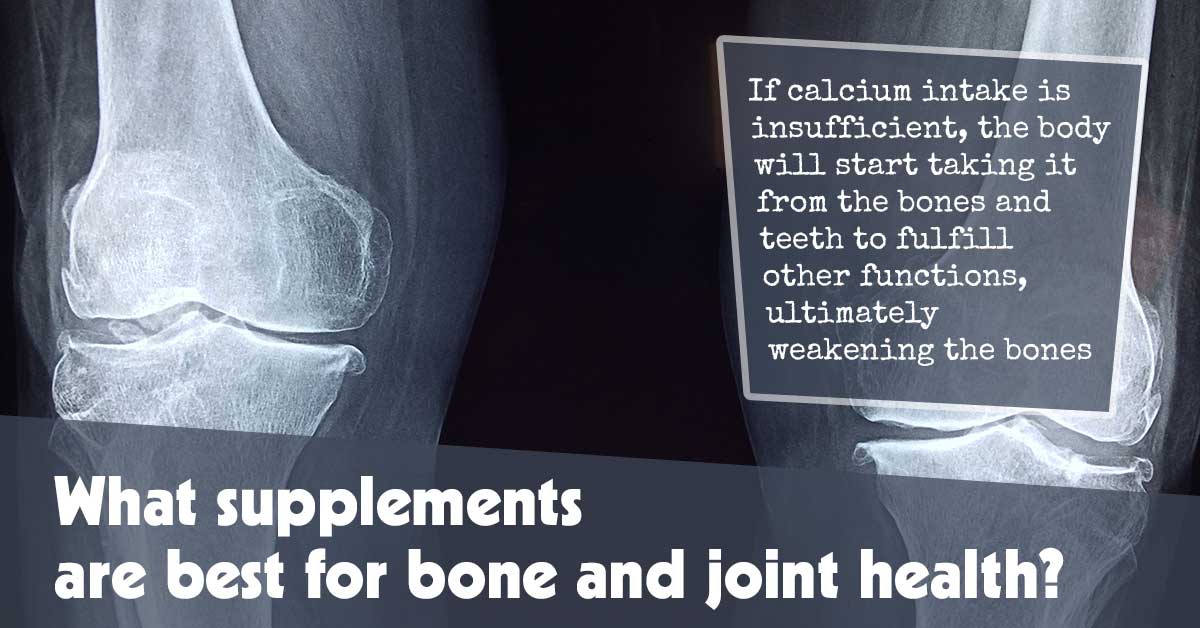
Image by Dr. Manuel González Reyes from Pixabay